India eVisa Application for Bosnia Citizens Passport
Travelers planning a visit from Bosnia and Herzegovina to India often apply for an eVisa to explore its rich cultural heritage, historical landmarks, and vibrant tourism destinations. The India eVisa approval time for Bosnia & Herzegovina citizens is generally quick and convenient, making it easier for tourists to plan short trips. In most cases, approval is processed within a few working days, depending on application accuracy and travel season demand. This fast digital process allows travelers to prepare for iconic experiences such as visiting heritage forts, spiritual sites, and colorful local markets across India.

For tourists eager to explore India’s diversity, understanding processing timelines is important for smooth travel planning. The India eVisa approval time for Bosnia & Herzegovina citizens helps ensure that applicants can organize their itineraries in advance without delays or uncertainty. Once approved, travelers can enjoy destinations like Jaipur, Agra, Kerala, and Delhi, experiencing everything from historic monuments to natural beauty. With a simple online application system and relatively fast processing, visiting India becomes more accessible and travel-friendly for Bosnian and Herzegovinian citizens seeking cultural and leisure adventures.
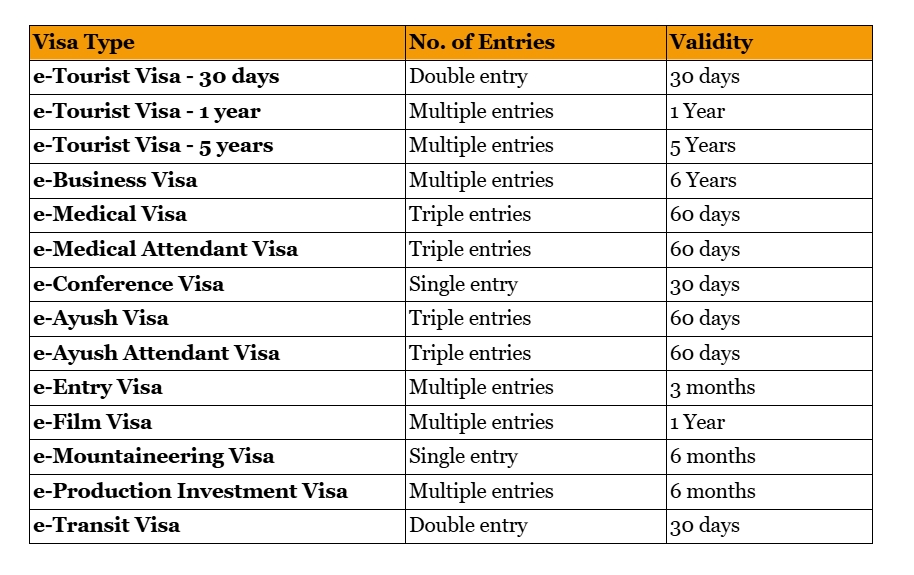
What are the different types of India eVisa available?
India offers various categories of eVisas to suit different traveler needs. Each type has specific validity and entry rules.
What documents do I need for my India eVisa application?
Having your documentation ready before starting the application is vital for a quick process.
- Passport: A scanned copy of the first page of your passport (bio-data page). Ensure it is valid for at least six months from the date of your planned arrival in India and has at least two blank pages.
- Photograph: A recent, high-quality digital photograph with a white background.
- Specific Supporting Documents:
- e-Medical Visa: A letter from the hospital in India, including the tentative admission date.
- e-Ayush Visa: A letter from the concerned hospital in India.
- e-Ayush Attendant Visa: The medical eVisa number of the patient.
- e-Business Visa: A business invitation letter from the Indian firm you are visiting.
- e-Conference Visa: A formal invitation letter from the host institution, NGO, or specialized agency in India.
How long does the India eVisa take to process?
The India eVisa processing time refers to the period required for your application to be reviewed and approved by the authorities. It varies based on the processing type and the accuracy of your application.
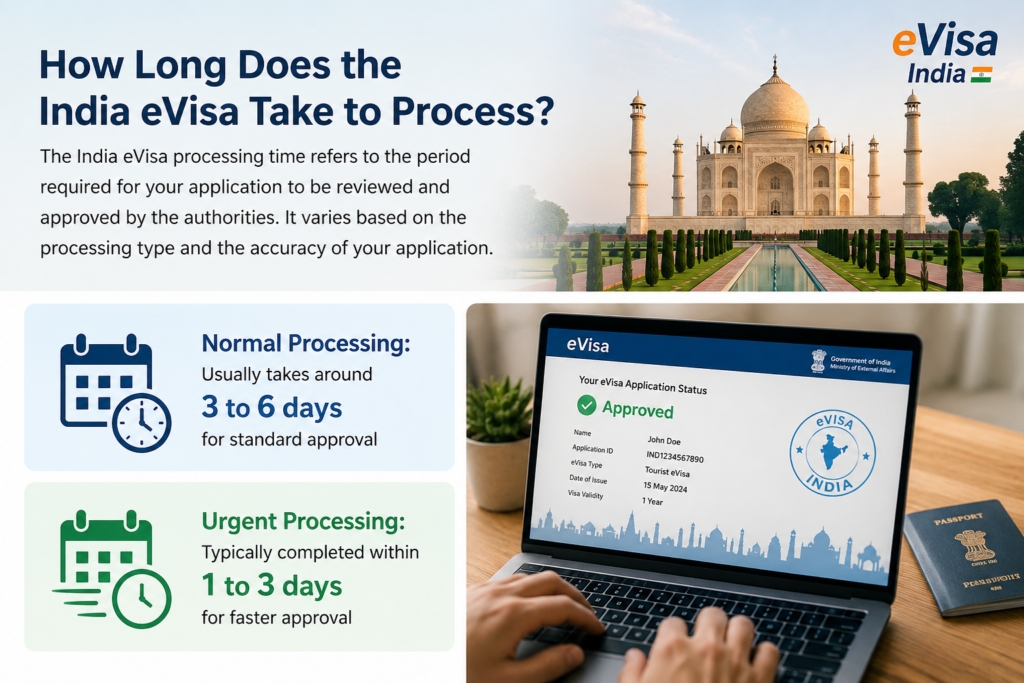
- Normal Processing: Usually takes around 3 to 6 days for standard approval
- Urgent Processing: Typically completed within 1 to 3 days for faster approval
How can I apply for an India eVisa?
The application process is straightforward:
- Fill Online Form: Visit the official Indian eVisa portal and fill out the online application form.
- Upload Documents: Upload the required scans of your passport and your photograph according to the specified dimensions.
- Payment: Pay the visa application fee online using a credit or debit card.
- Receive ETA: Once your application is approved, the Electronic Travel Authorization (ETA) will be sent to your registered email address.
- Print and Carry: Print a copy of your ETA and carry it with you when you travel, as you will need to present it to immigration authorities.
Can I track my India eVisa status?
Yes, you can monitor the progress of your application. Once you submit your form and receive an Application ID, you can use the official visa website's "Check Visa Status" feature. You will need your Application ID and passport number to view the current status of your request.
Can all foreign nationals apply for an India eVisa?
The India eVisa is an online travel authorization available to many international travelers, but it is not open to all foreign nationals. Eligibility depends on nationality, purpose of visit, and passport type.
- Eligibility Coverage: Only citizens of eligible countries can apply for the India eVisa
- India tourist visa for Botswana passport holders
- India eVisa process for Brazil citizens
- India eVisa eligibility for Brunei citizens
- India visa online application for Bulgaria passport
- India entry visa for Burundi travelers
- Purpose of Travel: It is mainly issued for tourism, business, medical, and short-term visits
- Passport Requirement: Applicants must hold a valid ordinary passport (diplomatic or official passports are usually not eligible)
- Restricted Nationalities: Some countries are not included in the eVisa program and must apply through an embassy
- Compliance Rules: Applicants must meet all documentation and entry requirements set by Indian immigration authorities
What are the top things to do in India on a tourist visa?
India is a diverse travel destination offering historical, spiritual, cultural, and natural experiences for tourists visiting on a visa. From iconic monuments to peaceful retreats, the country provides a wide range of activities for every traveler.
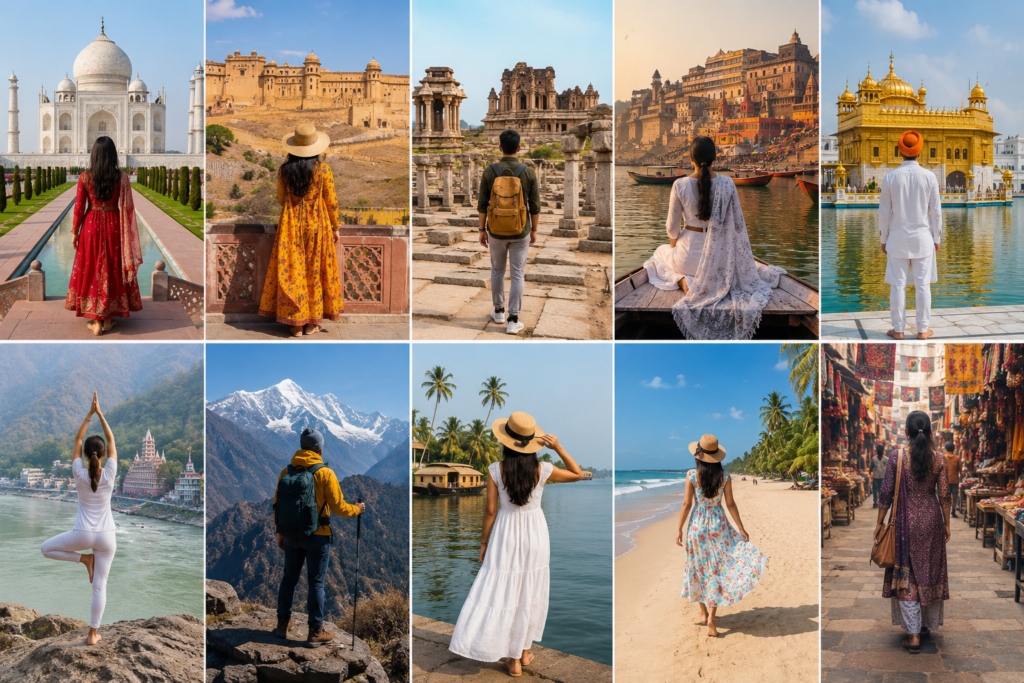
- Historical Landmarks: Visit the Taj Mahal in Agra, the forts and palaces of Rajasthan, or the ancient ruins of Hampi.
- Spiritual Retreats: Explore the ghats of Varanasi, the Golden Temple in Amritsar, or join a yoga retreat in Rishikesh.
- Nature and Adventure: Trek in the Himalayas, relax in the backwaters of Kerala, or lounge on the pristine beaches of Goa.
- Cultural Immersion: Experience the bustling street markets of Delhi or attend a classical music and dance performance.
Does India offer visas on arrival for foreign tourists?
India generally does not provide a traditional visa on arrival for most foreign tourists. Instead, eligible travelers are required to apply for an India eVisa or a regular visa before traveling. The eVisa system allows visitors to complete the process online and receive approval prior to departure, making entry smoother and more secure. Arriving in India without prior visa approval is not permitted for most nationalities and may lead to denied entry at the airport.
How long is an India eVisa valid for?
The validity of an India eVisa depends on the type of visa issued and the purpose of travel. Different eVisa categories come with different validity periods, allowing travelers to choose based on their travel needs.
- e-Tourist Visa: Available for 30 days, 1 year, or up to 5 years depending on the application type
- e-Business Visa: Generally valid for up to 1 year or multiple entries based on approval conditions
- e-Medical Visa: Usually valid for short-term stays linked to treatment requirements
- Entry Rules: Validity starts from the date of issue or first entry, depending on visa type
How to carry special or extra baggage when traveling to India?
Traveling with extra items requires adherence to customs regulations:
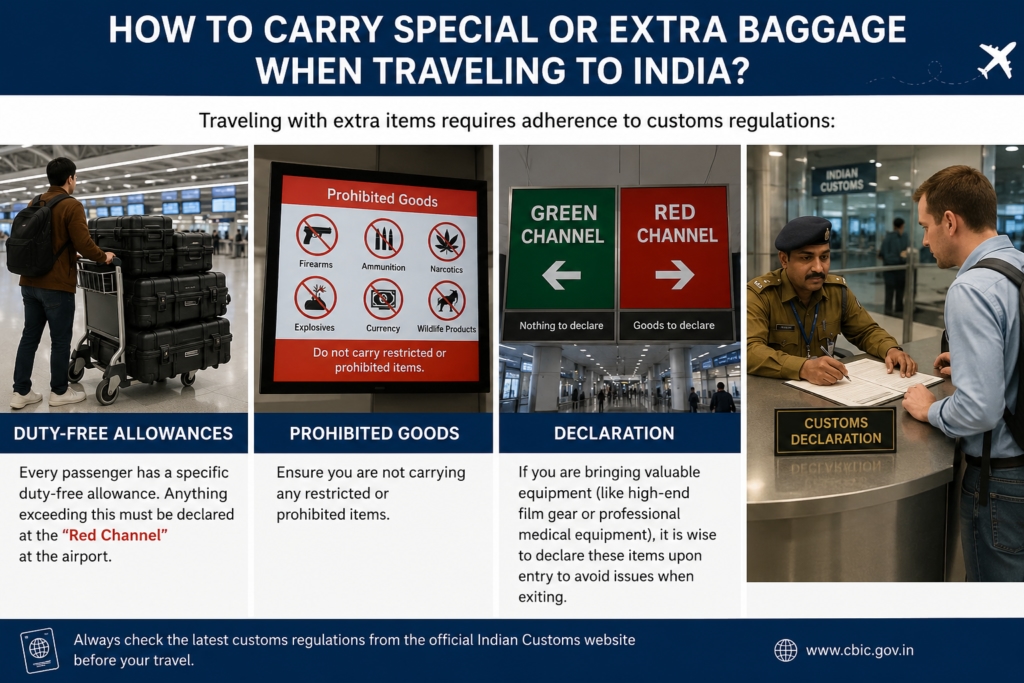
- Duty-Free Allowances: Every passenger has a specific duty-free allowance. Anything exceeding this must be declared at the "Red Channel" at the airport.
- Prohibited Goods: Ensure you are not carrying any restricted or prohibited items.
- Declaration: If you are bringing valuable equipment (like high-end film gear or professional medical equipment), it is wise to declare these items upon entry to avoid issues when exiting.
What are the travel rules for GCC country citizens visiting India?
GCC country citizens traveling to India must follow specific entry and immigration rules depending on their nationality and visa type. Most travelers from GCC countries can apply for an India eVisa, but they must comply with all entry requirements and conditions set by Indian authorities.
- Visa Requirement: Most GCC citizens are eligible for the India eVisa and must apply online before travel
- Passport Validity: A valid passport with at least 6 months validity from the date of arrival is required
- Return Ticket: Proof of onward or return travel may be requested at immigration
- Purpose of Visit: Travel must match the approved visa category such as tourism, business, or medical
- Entry Rules Compliance: Travelers must follow all immigration checks, including biometric verification on arrival
- Restricted Areas: Certain regions in India may require additional permits for entry
- Overstay Rules: Staying beyond the permitted visa duration can lead to fines, penalties, or future travel restrictions
Can I get a refund if I cancel my India eVisa application?
India eVisa applications are generally non-refundable once submitted, as the fee covers processing and administrative costs.
- Non-Refundable Policy: Fees are not usually refunded after submission of the application
- Processing Cost: Payment is used for verification and administrative handling
- No Cancellation Refund: Even if cancelled or rejected, the fee is generally not returned
- Careful Submission: Applicants should carefully check all details before applying
- Final Decision: Refunds are not provided regardless of approval or rejection status
Conclusion:
Navigating the India eVisa process for Bosnian citizens is straightforward if you prepare your documents in advance and follow the official guidelines. By choosing the correct visa type and ensuring your personal details match your passport exactly, you can look forward to a memorable and hassle-free trip to India. Always ensure you are applying through official channels and keep a printed copy of your ETA for a smooth arrival at your destination.
Your article has left a lasting impression on me, and I am grateful for the opportunity to learn from your work. sexygame1688
I am inspired by your commitment to excellence and continuous improvement. max56