Mexico has a rich, vibrant soul that you can literally hold in the palm of your hand. Long before modern factories and mass-produced homeware took over, Indigenous communities across Mexico were shaping the earth into extraordinary works of art. Mexican pottery is not just about bowls, plates, or decorative vases; it is a living chronicle of history, culture, family traditions, and ancestral techniques passed down through generations.
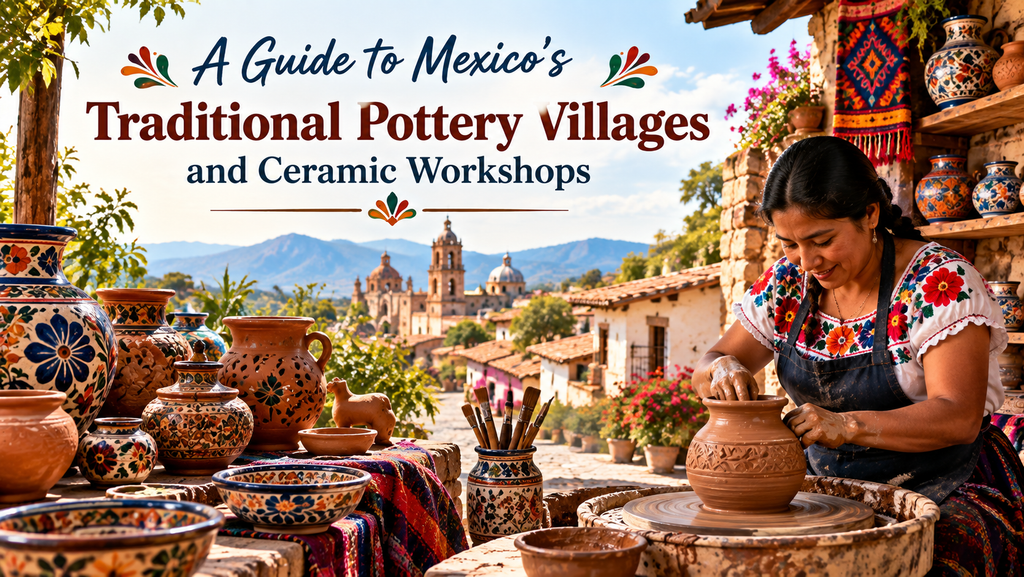
If you are a traveler who loves authentic cultural experiences, stepping into Mexico's legendary pottery villages is like walking into a living museum. In this guide, we will take you through some of the most famous ceramic hubs in Mexico, what makes them unique, and how you can experience their workshops firsthand. Before packing your bags for this cultural journey, ensuring your paperwork is in order is essential—you can review the requirements easily through a reliable travel visa service to get your travel authorization sorted out seamlessly.
1. Oaxaca: The Smoke-Kissed Magic of San Bartolo Coyotepec
When people think of Oaxacan folk art, the iconic shiny black pottery usually comes to mind. Located just a short drive from Oaxaca City, the village of San Bartolo Coyotepec is world-famous for its Barro Negro (black clay).
What makes this pottery so special is the science—and magic—behind its finish. Artisans do not use a chemical glaze to get that mirror-like metallic shine. Instead, they polish the sun-dried clay with a quartz stone before firing it in underground kilns. When the clay absorbs the smoke during the reduction firing process, it turns a deep, dramatic black.
- What to look for: Intricately carved vases, animal figurines, and candleholders with openwork designs.
- Workshop tip: Many local families open their studios to visitors. You can watch the traditional hand-shaping technique and even try molding a piece of clay yourself under an artisan's guidance.
2. Jalisco: The Bold Colors and Mastery of Tlaquepaque and Tonalá
If you head west to the state of Jalisco, right outside Guadalajara, you will find twin cultural powerhouses: San Pedro Tlaquepaque and Tonalá. Together, they form one of Mexico's most prolific pottery regions.
Here, the variety is staggering. Tlaquepaque is renowned for its high-end galleries and fine folk art, showcasing everything from traditional earthenware to modern ceramic sculptures. Tonalá, on the other hand, feels a bit more rustic and earthy. It is the birthplace of Barro Canelo (pottery named for its cinnamon-like hues) and Barro Bruñido (burnished clay painted with delicate, nature-inspired motifs).
- What to look for: Large decorative pots, hand-painted dinnerware, and whimsical animal sculptures decorated with fine floral patterns.
- Workshop tip: Visit on a Thursday or Sunday to experience Tonalá’s massive open-air street market, where hundreds of local makers sell directly to travelers.
3. Michoacán: The Vibrant Traditions of Santa Clara del Cobre and Tzintzuntzan
Michoacán is a state deeply rooted in indigenous purépecha culture, and its ceramic traditions are breathtakingly diverse. While Santa Clara del Cobre is famous globally for its hammered copper work, nearby towns like Tzintzuntzan specialize in bright, joyful ceramics.
In Tzintzuntzan (which translates to "place of the hummingbirds"), you will frequently find characteristic green-glazed pottery (loza verde) as well as pieces decorated with striking orange and white patterns. The artisans here take immense pride in using lead-free, locally sourced glazes to ensure their kitchenware is safe for daily cooking and serving.
- What to look for: Traditional cooking pots (cazuelas), mugs, and pitchers that look as stunning on a dining table as they do bubbling away on a stove.
- Workshop tip: Ask a local artisan about how they prepare their natural glazes—it's a fascinating chemistry lesson rooted in centuries-old knowledge.
4. Puebla: The Spanish-Indigenous Fusion of Talavera Poblana
No guide to Mexican ceramics would be complete without mentioning Talavera de la Puebla. Unlike the earthy, rustic pottery of Oaxaca or Michoacán, Puebla’s Talavera is grand, historic, and strictly regulated.
True Talavera Poblana is protected by a strict Designation of Origin. It must be made in specific workshops in Puebla using natural local clays, shaped by hand on a potter's wheel or in molds, and painted entirely by hand using natural mineral pigments in blues, yellows, blacks, greens, oranges, and mauve.
- What to look for: Ornate tiles (azulejos) that adorn historic colonial buildings across Mexico, as well as stunning vases, plates, and kitchen jars.
- Workshop tip: Visit certified workshops in Puebla City to watch master painters apply intricate brushstrokes with hair-thin brushes. It requires unbelievable precision and steady hands!
Plan Your Creative Journey to Mexico
Exploring these magical artisan villages is a bucket-list adventure for any culture lover. Walking through a family-run workshop, hearing the clink of drying clay, and listening to a maker share stories passed down from their grandparents will change how you view art forever.
If you are inspired to pack your bags and experience the warmth, colors, and creativity of Mexico firsthand, we are here to make your travel planning completely stress-free. To ensure your trip goes off without a hitch, working with experienced visa consultants gives you expert guidance to guarantee the smooth acceptance of your paperwork.
Why Choose Us for Your Travel Needs?
- Reliable Travel Visa Services: Our global approach has assisted numerous travelers in obtaining their Visa.
- Round-the-Clock Assistance: Reach out to us 24/7, and our experts will respond within 72 hours.
- Experienced Visa Consultants: Receive expert guidance to ensure the acceptance of your application.
- Efficient Visa Application Process: Apply for your Visa in minutes with our simplified form.
Ready to start your Mexican adventure? Head over to Mexico E-Visa Policy to get your paperwork sorted out so you can focus on the clay, the culture, and the journey ahead!
Comments